
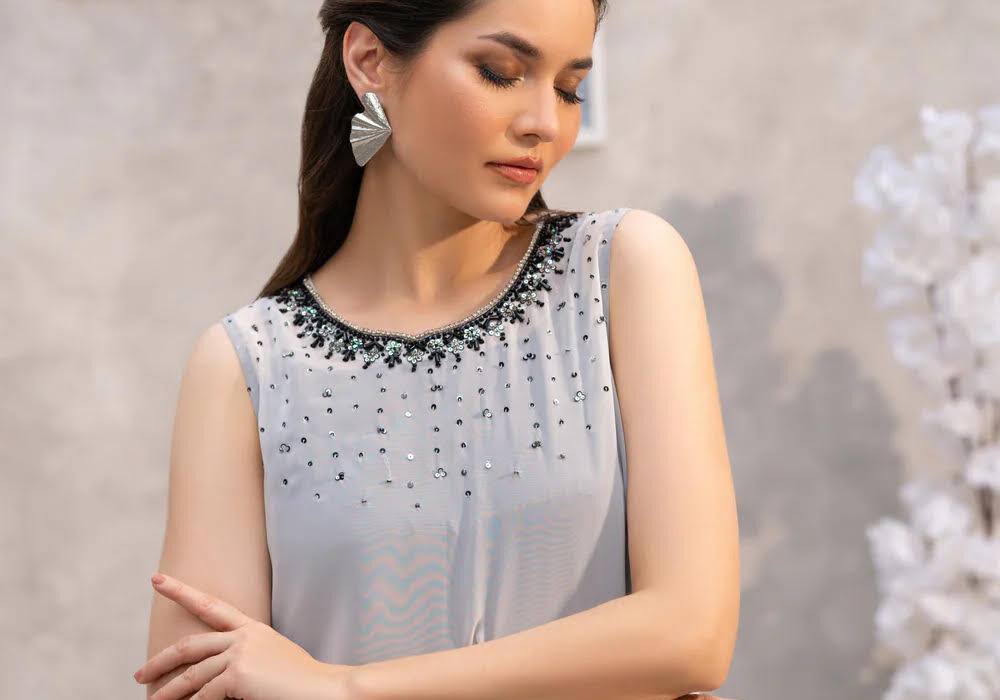
What Is Velour? A Complete 2025 Guide to Velour Fabric, History, Uses, Styling & Fashion Trends
Introduction: What Is Velour?
Velour is one of the most luxurious, soft, and stylish fabrics in modern fashion. Known for its smooth, plush texture and elegant shine, Velour has become a favorite material in clothing, home décor, activewear, loungewear, and modest fashion.
Whether you see Velour in co-ord sets, tracksuits, abayas, maxi dresses, or interior furniture, one thing is always guaranteed: luxury meets comfort.
In this complete guide, you will learn:
- What Velour fabric is
- The history of Velour
- How Velour is made
- Types of Velour
- Benefits of Velour
- Why Velour is trending in 2025
- How to style Velour outfits
- Velour care and washing guide
- Velour in women’s fashion
- Velour co-ord sets and their rising popularity
- Who should wear Velour and who should avoid it
- Home décor uses
- Future trends of Velour
This is the most detailed, updated Velour guide you will read in 2025.
Chapter 1: What Exactly Is Velour?
Velour is a knitted, plush pile fabric that looks similar to velvet but is more stretchable, soft, and affordable.
It is usually made from:
- Cotton
- Polyester
- Spandex blends
Velour is best known for its:
- Smooth, velvet-like texture
- Soft hand feel
- Stretch and flexibility
- Warmth and comfort
- Rich, luxurious appearance
Velvet vs Velour – What’s the Difference?
| Feature | Velvet | Velour |
|---|---|---|
| Fabric Type | Woven | Knitted |
| Stretch | Low | High |
| Price | Expensive | Affordable |
| Feel | Slightly stiffer | Very soft |
| Use | High-end fashion | Everyday + luxury |
This is why Velour is extremely popular in loungewear, winter clothing, athleisure, and modest fashion.
Chapter 2: The History of Velour
The word “Velour” comes from French, meaning “velvet-like.”
Key Moments in Velour History
- 1800s: European textile innovators created softer velvet alternatives.
- 1900s: Velour became widely used for stage costumes and theatre.
- 1960s: Velour tracksuits and loungewear became a global trend.
- 1990s–2000s: Velour outfits dominated pop culture.
- 2020–2025: Velour returned in fashion due to comfort and luxury appeal.
Today, Velour is considered one of the most glamorous yet comfortable fabrics worldwide.
Chapter 3: How Velour Is Made
Velour is produced using a knitted construction instead of woven.
Steps:
- Knitting the base fabric
- Adding pile loops
- Cutting loops for softness
- Brushing and finishing
This gives Velour:
- A dense, plush surface
- Stretch and flexibility
- Smoothness
- Natural shine
Because of its special structure, Velour drapes beautifully and flatters all body types.
Chapter 4: Types of Velour Fabric
There are several types of Velour, each used for different purposes.
1. Cotton Velour
- Natural
- Breathable
- Skin-friendly
- Best for clothing and kidswear
2. Polyester Velour
- Strong fiber
- Glossy appearance
- Wrinkle-free
- Best for abayas, maxi dresses, evening wear
3. Stretch Velour (with Spandex)
- Highly flexible
- Used in co-ord sets
- Sportswear
- Dancewear
- Body-hugging dresses
4. Upholstery Velour
- Thick
- Durable
- Used for sofas, headboards, curtains
5. Luxury Velour
- High density
- Premium shine
- Used by luxury fashion brands
Each type of Velour brings its own benefits depending on use.
Chapter 5: Benefits of Velour Fabric
Velour is one of the most practical yet luxurious fabrics.
1. Super Soft
Feels extremely gentle and smooth on skin.
2. Stretchable & Flexible
Excellent for daily wear, loungewear, and co-ord sets.
3. Warm & Cozy
Perfect for fall and winter.
4. Wrinkle Resistant
No ironing needed in most cases.
5. Rich & Stylish Appearance
Ideal for party wear, abayas, and modest outfits.
6. Long-lasting & Durable
Especially polyester-based Velour.
7. Easy to Maintain
Low-maintenance compared to velvet.
Chapter 6: Why Velour Is Trending in 2025
Velour has made a major comeback in global fashion trends.
Reasons:
- Rise of comfort-based clothing
- Modest fashion growth
- Athleisure becoming everyday wear
- Celebrity and influencer fashion
- Velour co-ord sets trending everywhere
In 2025, fashion brands are using Velour for:
- Co-ord sets
- Loungewear
- Abayas
- Maxi dresses
- Hoodies
- Tracksuits
- Evening wear
Chapter 7: How to Style Velour Outfits
Velour can be styled in many fashionable ways.
1. Velour Co-Ord Sets Style Guide
- Wear with gold jewelry
- Add block heels
- Choose bold lipstick
- Perfect for dinners and gatherings
2. Velour Abaya Styling
- Pair with silk or velvet hijab
- Add minimal gold accessories
- Neutral heels complete the look
- Perfect for winter events
3. Velour Tracksuit Styling
- White sneakers
- Simple ponytail or messy bun
- Minimal makeup
- Perfect for travel and casual days
4. Velour Maxi Dress Styling
- Shiny clutch
- High heels
- Perfume with warm notes
- Ideal for evening parties
5. Velour Hoodie Styling
- Oversized joggers
- Sporty sneakers
- Crossbody bag
Chapter 8: Best Seasons for Wearing Velour
Velour is mostly a winter and fall fabric.
Why?
It retains heat
Feels warm on skin
Slightly thick texture
But lightweight Velour is also worn in spring or cool summer nights.
Chapter 9: Who Should Wear Velour?
Velour is perfect for:
- Women who prefer comfort + luxury
- Winter fashion lovers
- Modest fashion customers
- Travel and loungewear users
- Party and evening wear
- Plus-size women (because it drapes beautifully)
Who should avoid?
- People who live in very hot climates
- Those who sweat excessively
- People wanting ultra-light breathable fabrics
Chapter 10: Velour in Home Décor
Velour is used in modern home interiors due to its premium look.
Common uses:
Sofas
Cushions
Curtains
Headboards
Accent chairs
Velour adds royalty, elegance, and warmth to interiors.
Chapter 11: Velour Care & Washing Guide
To keep Velour looking new:
Do’s
- Gentle wash
- Cold water
- Use mild detergent
- Air dry
- Store in cool place
Don’ts
- Avoid sunlight exposure
- No bleach
- Do not iron directly
- Avoid rough surfaces
- Don’t use hot water
Chapter 12: Velour Shopping Guide
Before buying Velour clothing, check:
- Fabric thickness
- Shine quality
- Stretch level
- Stitching quality
- Color richness
- Size accuracy
- Softness
- Durability
Good quality Velour always looks more premium and lasts longer.
Chapter 13: Velour in Modest Fashion
Modest fashion brands increasingly use Velour for:
- Abayas
- Kaftans
- Maxi dresses
- Two-piece sets
Why?
- Perfect coverage
- Elegant drape
- Winter-friendly
- Luxury appearance
Velour abayas are one of the hottest winter trends.
Chapter 14: Velour Co-Ord Sets – The 2025 Fashion Trend
Velour co-ord sets are trending globally.
Reasons:
Soft & comfortable
Rich appearance
Perfect winter warmth
Great fit for all body types
Ideal for travel, gatherings, and casual events
In 2025, Velour co-ord sets are seen everywhere — from Instagram feeds to global runways.
Chapter 15: The Future of Velour Fashion
Fashion experts predict Velour will grow even more in the next decade.
Future improvements include:
- Hypoallergenic Velour
- Eco-friendly Velour
- Enhanced shine
- More stretch and flexibility
Velour will remain a major part of winter fashion.
Conclusion
Velour is a luxurious, stylish, soft, and versatile fabric that offers unmatched comfort and elegance. Whether you choose Velour co-ord sets, abayas, tracksuits, loungewear, or maxi dresses — this fabric always elevates your look.
If you’re looking for a fabric that is warm, rich, fashionable, and comfortable, Velour is the perfect choice for your wardrobe.