
Best Lifeguard Training Near Me: A Complete Guide to Getting Certified
If you’re looking to pursue a career in aquatic safety or just want to ensure you’re prepared for emergencies, finding the best lifeguard training near me is the first step. Lifeguard training provides you with the essential skills and certifications required to keep others safe in swimming pools, beaches, and other water environments. This article will guide you through the lifeguard training process, explain how to find the best courses near you, and answer some of the most frequently asked questions about lifeguard training.
What is Lifeguard Training?
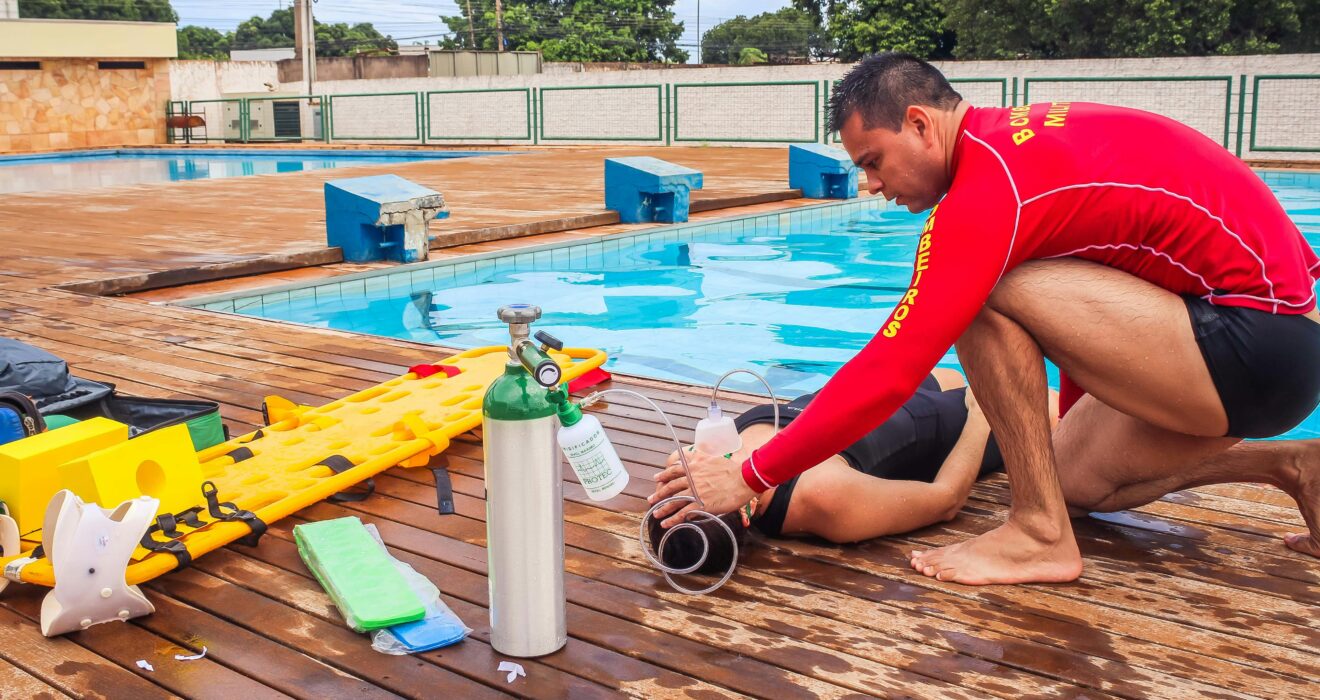
Lifeguard training is designed to equip individuals with the knowledge and skills needed to protect swimmers, prevent accidents, and respond to emergencies effectively. Whether you’re working at a public pool, beach, or waterpark, being a lifeguard requires you to stay vigilant and be ready to act at a moment’s notice. The best lifeguard training near you will cover essential areas such as:
- Water rescue techniques
- CPR and first aid certification
- Emergency response protocols
- Hazard recognition
- Effective communication and teamwork
These skills will ensure that you’re ready to handle any emergency situation while maintaining the safety of others. Organizations like the American Lifeguard Association (ALA) provide high-quality training courses, and their certifications are recognized across the country.
How to Find the Best Lifeguard Training Near Me
When searching for the best lifeguard training near me, there are a few factors to consider. Here are some steps you can take to ensure you’re choosing the right training program:
- Research Accredited Training Providers: Look for accredited organizations, such as the American Lifeguard Association that offer high-quality training. Accreditation ensures the training meets national safety and certification standards.
- Location and Convenience: Check local aquatic centers, pools, or gyms to see if they offer lifeguard training. Many facilities partner with training organizations to provide classes close to home.
- Course Duration and Flexibility: Lifeguard training courses usually range from a few days to a week. Choose a course that fits your schedule. Some providers offer weekend or evening classes, making it easier to balance work or school.
- Cost Considerations: Prices for lifeguard training vary depending on location, provider, and course structure. Compare prices and ensure that the program fits your budget without sacrificing quality.
The best lifeguard training near me will provide a balance of convenience, quality, and affordability. Ensure you choose a provider that offers a comprehensive program with proper certifications.
How Much Does Lifeguard Training Cost?
One of the most common questions about lifeguard training is how much it costs. The cost of lifeguard training varies based on several factors, including the provider, the location, and the specific course content. On average, you can expect to pay between $150 to $300 for a basic lifeguard certification course. However, the price may go higher if the course includes additional certifications, such as First Aid, CPR, or AED.
Some factors that affect the price include:
- Course Duration: A longer course may cost more due to the extra hours of instruction.
- Certification Fees: Some organizations charge additional fees for issuing certification cards or for specialized courses like waterfront lifeguarding or waterpark training.
- Location: Training courses in larger cities or high-demand areas may be priced higher than in smaller towns or rural areas.
- Group Discounts: If you’re signing up with a group, you might be eligible for a discount, which can lower the overall cost.
It’s also important to keep in mind that some facilities may offer a bundle of services that include training, certification, and even the cost of uniform items, such as lifeguard shirts or whistles.
How Long Does Lifeguard Training Take?
Another frequently asked question is how long lifeguard training takes. On average, lifeguard qualification courses take about 20 to 30 hours to complete. The total duration may be spread over several days or a week, depending on the provider’s schedule. The training usually includes both classroom instruction and hands-on practice in the water.
Here’s a breakdown of what you can expect:
- Classroom Sessions: These sessions usually cover theoretical aspects such as water safety, CPR, first aid, and legal issues related to lifeguarding.
- Water Practice: You’ll learn various water rescue techniques, how to perform rescues, and how to handle emergency situations in real water environments.
- Written Exam: A written exam is typically required to test your knowledge of lifeguard procedures and emergency protocols.
- Physical Test: Most programs include a physical swim test, where you demonstrate your ability to perform rescues and swim long distances.
Some programs may offer an accelerated format where you can complete the training in a shorter time frame, but this depends on the provider and the availability of classes.
Lifeguard Qualifications: How Long Are They Valid?
Once you’ve completed your lifeguard training, you’ll receive a lifeguard qualification that certifies you to work as a lifeguard in most facilities. However, just like any professional certification, lifeguard qualifications are not permanent — they need to be renewed periodically.
Typically, a lifeguard qualification is valid for two years. After this period, you’ll need to complete a recertification course to maintain your certification and ensure your skills are up-to-date. Recertification is typically shorter and less expensive than the initial training, focusing on refreshing skills like CPR, water rescue techniques, and first aid.
What to Expect During Lifeguard Training
When attending a lifeguard training class, there are several key elements you can expect:
- CPR and First Aid Training: These are core components of lifeguard training, as lifeguards need to know how to provide emergency medical assistance until professional help arrives.
- Water Rescue Techniques: Lifeguards are trained to perform rescues in different water conditions, including swimming to a distressed swimmer, using rescue tubes, and performing spinal injury management.
- Physical Fitness and Endurance: Lifeguard training includes swimming tests, so it’s important to be prepared physically. Some tests may require you to swim long distances or retrieve objects from the bottom of the pool.
- Emergency Response and Communication: Lifeguards must be able to recognize dangerous situations, assess risks, and communicate effectively with team members and swimmers.
All of these elements are critical to ensuring that lifeguards are capable of handling emergencies and maintaining a safe environment for everyone.
Frequently Asked Questions (FAQ)
1. How much is it to do lifeguard training?
Lifeguard training typically costs between $150 to $300, depending on the provider, course duration, and additional certifications like CPR or first aid.
2. How long is a lifeguard qualification?
A lifeguard qualification is generally valid for two years. After this period, you’ll need to complete a recertification course to maintain your certification.
3. How long does lifeguard training take?
Lifeguard training typically lasts between 20 to 30 hours, with both classroom instruction and water practice spread over several days or a week.
Final Words
If you’re looking for the best lifeguard training near me, it’s important to consider the course content, cost, duration, and accreditation. Whether you’re aiming for a full certification or simply renewing your qualifications, choosing the right provider is essential for gaining the skills needed to save lives. The American Lifeguard Association, and other reputable organizations offer high-quality training options that prepare you for a career in lifeguarding.
By completing lifeguard training, you’re not only meeting the legal requirements for employment but also gaining valuable skills that could make all the difference in an emergency situation. So, start your journey to becoming a certified lifeguard today, and ensure you’re ready to make a positive impact on the safety of those around you.